
Assi Ghat Varanasi: Best Time to Visit, Things to Do & Travel Guide
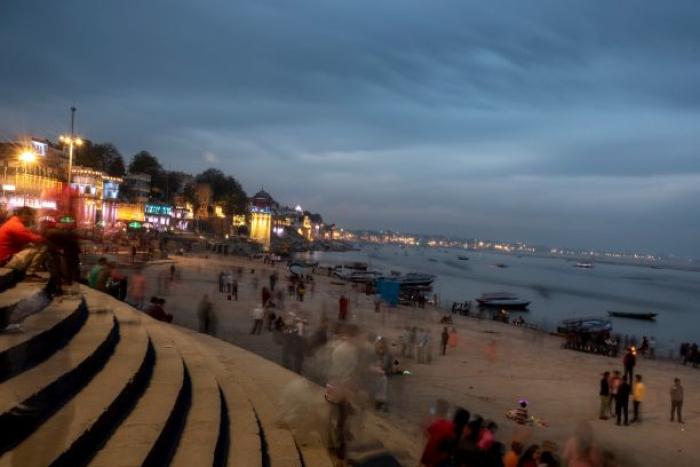

Most people arrive in Varanasi with the evening aarti at Dashashwamedh in mind.
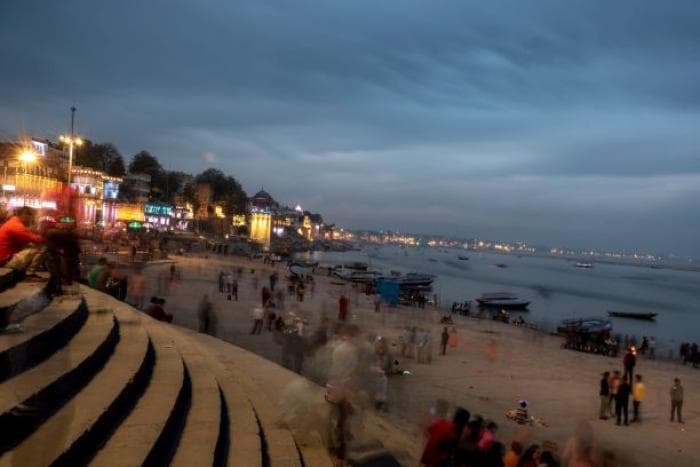
Most people arrive in Varanasi with the evening aarti at Dashashwamedh in mind. Then a friend, a hotel owner or a boatman says, "Go to Assi Ghat in the morning." The people who listen often say it ended up being the best part of their trip.
Assi Ghat sits at the southern end of the riverfront, close to Banaras Hindu University and the Lanka area. It has fewer crowds, more room to breathe and a slower pace. Students, locals, musicians, sadhus and travellers all share the same steps. This guide covers the best time to visit, what to do, how to reach it and a few tips to make your visit easier.
Why Assi Ghat Is Worth Your Time
According to local belief, the ghat is where the Assi river meets the Ganga. Many people consider it a very holy spot, and pilgrims come here to bathe and pray. It is also the place most often linked with the poet Tulsidas, who is said to have written the Ramcharitmanas in this part of the city.
What makes it special today is the mood. It lacks the scale of Dashashwamedh Ghat, and that works in its favour. You can watch the rituals without being pushed around, find a spot on the steps and sit for an hour without anyone hurrying you. There is no entry fee, and the ghat is open all day and night.
If you are building a longer trip, Assi Ghat fits easily into any Varanasi Sarnath tour, whether you stay two days or five.
Best Time to Visit Assi Ghat
There are two parts to this answer: the season and the time of day.
Best season: October to March is the best time. The weather is cool and comfortable, and mornings feel fresh rather than tiring. December and January can be misty and cold, so carry a shawl or light jacket. From April the heat becomes very strong, with days touching 39 to 40°C in April and May, so only the early morning and late evening are pleasant. During the monsoon, usually from July to September, the river rises over the lower steps and boating is often stopped.
Best time of day: Early morning is the clear winner. Reach the ghat about an hour before sunrise, around 5:00 to 5:30 am in winter. The light on the river is soft, the steps are quiet and the whole ghat slowly wakes up around you. Evenings are good too, with a smaller aarti at around 6 pm in winter and 7 pm in summer, and mostly local faces in the crowd.
Special dates: If you can, plan around a festival. Dev Deepawali falls on Tuesday, 24 November 2026, when every ghat is lined with thousands of earthen lamps. Mahashivratri, usually in February or March, is another lively time. Both bring big crowds, so book your hotel early. Riverside rooms can sell out one to two months ahead.
If you would prefer a calm visit, come the week after Dev Deepawali. The city is still decorated, but the crowds are much smaller.
Things to Do at Assi Ghat
This is not a place for ticking off sights. It is a place to slow down. Here is how most travellers spend their time.
- Attend Subah-e-Banaras. This is the highlight. The morning programme started in 2014 and begins about 45 minutes before sunrise. It opens with a short aarti as the sun comes up over the far bank. Then come Vedic chanting, a fire offering and a classical music recital of about half an hour. The programme ends with a free open-air yoga session. The whole thing runs for around two hours and costs nothing. Carry a shawl in winter, and sit down early for a good spot.
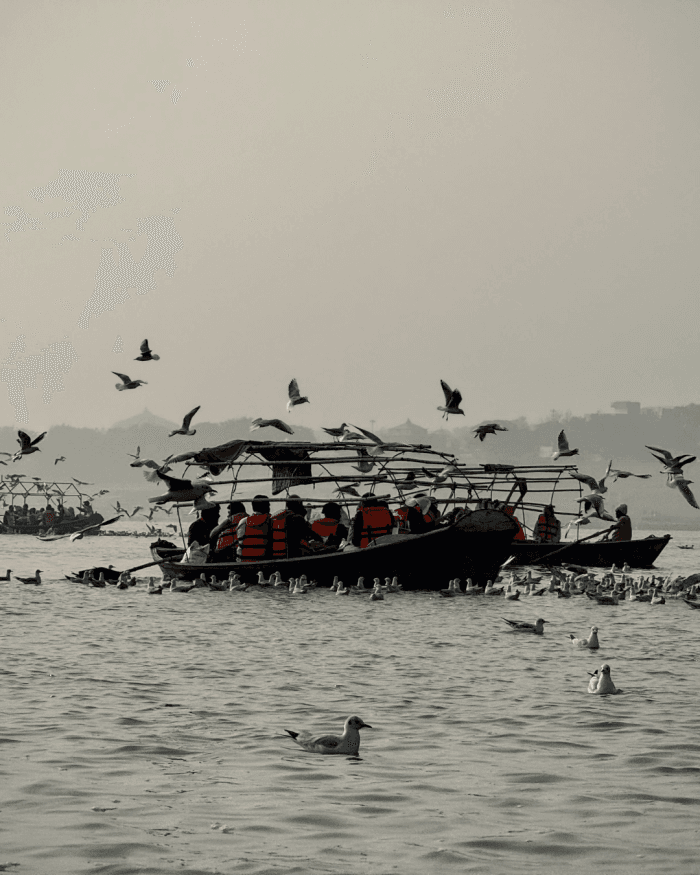
- Take a sunrise boat ride. A slow row along the river at dawn is one of the best ways to see the ghats from the water. You pass one ghat after another, each with its own temples, steps and morning routines. Shared boats usually cost around Rs 250 to 500 per person, while a private boat costs around Rs 1,500 to 3,000. Agree on the price and the time before you sit down, and pay at the end. Please use licensed boatmen at the ghat rather than people who approach you in the lanes, and ask for a life jacket.
- See the evening aarti. It is smaller than the one at Dashashwamedh, but it is calm and very easy to enjoy. If you want more detail on timings across the year, read our guide to the Ganga Aarti timings in Varanasi.
- Walk, sit and watch. Some of the best moments here are unplanned. You will see people bathing, priests sitting under big umbrellas, children flying kites and artists sketching the steps. Photography is fine from the steps and the water, but drones are not allowed over the ghats.
- Visit nearby temples and Tulsi Ghat. Short walks from Assi will take you to small temples and to Tulsi Ghat, which is connected with the poet Tulsidas. Wear clothes that are easy to walk in and keep your shoes somewhere safe if you go inside a temple.
- Try local food and tea. Small stalls near the ghat serve hot tea in clay cups, kachori-sabzi, lassi and other simple local snacks. They are cheap, filling and part of the experience.
- Shop in the lanes. The streets behind the ghat have small shops selling handicrafts, rudraksha beads, clothes and souvenirs. Bargain politely and compare prices before you buy.
Assi Ghat vs Dashashwamedh Ghat, and How to Reach
Many first-time visitors ask which ghat is better. The honest answer is that they offer very different experiences.
Dashashwamedh is big, loud and full of energy. It has seven priests, a huge crowd and a grand, well-staged evening ceremony. Assi is quieter, more local and better for mornings. If you only have one evening, go to Dashashwamedh. If you have a spare morning, spend it at Assi. Most travellers see both, and many say they return to Assi when they want a break. The two ghats are about 2 km apart, so you can easily do both in a single trip. A boat ride between them is also a lovely way to travel.
How to reach Assi Ghat
- From Varanasi Junction (Cantt) railway station: about 6 km, roughly 15 to 25 minutes by taxi. A taxi usually costs around Rs 450.
- From Banaras (Manduadih) railway station: about 4 to 5 km, around 15 to 20 minutes. Expect to pay about Rs 300 to 400.
- From Lal Bahadur Shastri Airport: about 18 to 20 km, which takes 45 to 60 minutes depending on traffic.
Rickshaws and auto-rickshaws can also take you to the ghat from most parts of the city. The final stretch is usually on foot, as the lanes near the ghat are narrow.
A few simple tips
- Start early. Dawn is when Assi Ghat is at its best.
- Keep your phone and wallet in a zipped bag, especially in a crowd.
- Dress modestly, and keep your voice low during the ceremonies.
- Throw only flowers into the river.
- There are no toilets on the ghat, so plan ahead.
- Check the water level in the monsoon, since boating may be closed.
- Carry water and a light snack if you plan to stay for the full morning programme.
Plan Your Varanasi Trip with Modern World Travel
Assi Ghat is easy to enjoy on your own, but a trip to Varanasi has many moving parts. You need the right hotel near the ghats, a reliable boatman, a good guide and a plan that does not leave you rushing from one place to another.
At Modern World Travel, we help travellers plan exactly this. We can build a Varanasi trip around the morning at Assi Ghat, the evening aarti at Dashashwamedh, a visit to Sarnath and more. If you want something longer, take a look at our Kashi Prayagraj Circuit or browse the full list of Varanasi tour packages. If you would like to talk it through, contact us and we will help you plan a trip that fits your dates and pace.
FAQs
1. Where is Assi Ghat located?
Assi Ghat is at the southern end of Varanasi's riverfront, near Banaras Hindu University and the Lanka area. It is about 2 km upstream from Dashashwamedh Ghat.
2. What is the best time to visit Assi Ghat?
Early morning, about an hour before sunrise, is the best time of day. The best season is October to March, when the weather is cool and pleasant.
3. What is Subah-e-Banaras?
It is a free morning programme at Assi Ghat that begins about 45 minutes before sunrise. It includes a short aarti, Vedic chanting, a classical music recital and an open-air yoga session. The whole programme runs for about two hours.
4. Is there an entry fee for Assi Ghat?
No, entry is free and the ghat is open all day and night. You only pay if you choose a boat ride or buy food and shopping items nearby.
5. How far is Assi Ghat from the airport and railway stations?
It is about 18 to 20 km from Varanasi airport, which takes 45 to 60 minutes by road. Varanasi Junction (Cantt) is about 6 km away, and Banaras (Manduadih) station is about 4 to 5 km away.
Related Itineraries
 2 Nights / 3 Days
<p>Short on time but longing for a soul-stirring pilgrimage? This compact circuit pairs two of the most sacred places on the Ganga — Kashi (Varanasi) and Prayagraj — into a beautifully focused spiritual journey. It centres on India's holiest waters: the ghats of the eternal city and the great Triveni Sangam where three rivers meet.</p><p>Kashi comes first. Varanasi is the city of Lord Shiva, and there's nowhere quite like it. You'll glide along the river at sunrise as pilgrims bathe and pray, take darshan at the Kashi Vishwanath Temple — one of the twelve Jyotirlingas — and stand among the crowds for the mesmerising evening Ganga Aarti, when the riverfront glows with lamps and echoes with chanting. Time spent wandering the old lanes, with their hidden shrines, silk shops and the scent of incense, deepens the sense of a city that has been sacred for thousands of years. A visit to Sarnath adds a layer of Buddhist history close by.</p><p>From Kashi, the route follows the Ganga upstream to Prayagraj and its spiritual crown jewel, the Triveni Sangam — the meeting of the Ganga, the Yamuna and the unseen, mythical Saraswati. Taking a boat out to the confluence for a holy dip or a few quiet minutes of prayer is the emotional high point of the trip; this is hallowed ground, the site of the vast Kumbh Mela. You'll also see revered spots like the ancient Akshayavat and the Bade Hanuman temple, rounding out a visit to one of Hinduism's most important cities.</p><p>What makes this circuit so appealing is its focus. Rather than rushing between many places, you give your full attention to two supremely sacred cities and the river that binds them — the perfect choice for a long weekend of devotion, a first pilgrimage, or a return visit to concentrate on the essentials. The two cities are an easy drive apart, so there's minimal time on the road and maximum time for darshan and reflection.</p><p>It's a journey that works beautifully for families and elders, since the pace can be kept gentle and the key rituals arranged without fuss. Whether your heart is set on the aarti at Kashi or the dip at the Sangam, this circuit delivers the spiritual core of the Ganga plains in a short, manageable trip.</p><p>We handle every detail so you can simply immerse yourself — comfortable, well-placed hotels, a clean AC vehicle with an experienced driver for the whole route, guidance at the temples and ghats, and smooth transfers throughout. Just tell us your dates and how many are travelling, and we'll tailor the Kashi–Prayagraj circuit to suit you and send across a personalised quote.</p>
<p>This is the pilgrimage that joins two of the holiest cities in all of Hinduism — Kashi, the eternal city of Lord Shiva, and Ayodhya, the birthplace of Lord Rama. Together they make a short but deeply moving spiritual journey through the heart of Uttar Pradesh, and it's one of the most meaningful trips you can take in North India.</p><p>You'll begin in Varanasi (Kashi), a city unlike anywhere else on earth. Here the days revolve around the Ganga and its ghats — a sunrise boat ride past the bathing pilgrims, the darshan at the Kashi Vishwanath Temple (one of the twelve sacred Jyotirlingas), and the spectacular evening Ganga Aarti at Dashashwamedh Ghat, where lamps, bells and chanting fill the air. We'll also take you to nearby Sarnath, where the Buddha preached his first sermon, so you touch two great spiritual traditions in one place. The old lanes, the temples and the sheer devotional energy of Kashi make for an unforgettable start.</p><p>From there the road leads to Ayodhya, a city living through a remarkable spiritual revival. This is the janmabhoomi — the birthplace — of Lord Rama, and the magnificent Ram Mandir has made it one of the most visited pilgrimage destinations in the country. You'll have darshan at the temple, visit the much-loved Hanuman Garhi and the beautiful Kanak Bhawan, and witness the serene evening aarti on the banks of the Saryu River, where little lamps drift on the water as the day closes. Ayodhya's gentle, devotional atmosphere is the perfect counterpoint to the intensity of Kashi.</p><p>What makes this circuit so special is the contrast and the connection between the two cities — Shiva's Kashi and Rama's Ayodhya, both ancient, both sacred, both central to the faith of millions. Travelling between them, you follow a path that pilgrims have walked for generations, and you come away with a real sense of the living spiritual landscape of the Ganga plains.</p><p>The route is comfortably covered by road, with good highways linking the two cities, so you spend your energy on darshan and reflection rather than on logistics. It suits families, elders and first-time pilgrims alike, and can be paced gently to allow plenty of time at each temple. We take care of everything along the way — comfortable hotels, a clean and dependable AC vehicle with an experienced driver, temple-visit guidance, and all transfers — so your Kashi–Ayodhya yatra flows smoothly from one sacred city to the next. Tell us your dates and how long you'd like, and we'll shape the journey around you and send across a tailored quote.</p>
 2Nights / 3 Days
<p>This gentle, devotion-rich tour brings together Varanasi and Prayagraj — two cities on the Ganga that between them hold some of the most sacred ground in India. It's a journey made for pilgrims who want to immerse themselves fully in riverside ritual: the timeless ghats of Varanasi and the sacred confluence of Prayagraj, experienced at an unhurried, prayerful pace.</p><p>Varanasi — Kashi, the city of Lord Shiva — is where it begins. Expect a sunrise boat ride along the ghats as the city wakes to prayer, darshan at the Kashi Vishwanath Temple, and the unforgettable evening Ganga Aarti at Dashashwamedh Ghat. Beyond the big rituals, the real magic of Varanasi is in its atmosphere: the labyrinth of old lanes, the tiny temples on every corner, the weavers and the chai stalls, and the extraordinary way life and faith intertwine on the riverbank. We'll also include Sarnath, the quiet deer park where the Buddha first taught, just outside the city.</p><p>The tour then follows the river to Prayagraj, whose spiritual identity is defined by the Triveni Sangam — the sacred confluence of the Ganga, the Yamuna and the mythical Saraswati. A boat ride out to the meeting of the waters for a holy dip or a moment of stillness is the heart of the visit, and standing where millions gather for the Kumbh Mela is genuinely humbling. You'll also take in cherished sites such as the Akshayavat and the Bade Hanuman temple, and feel the deep, ancient sanctity that hangs over the whole city.</p><p>Where this tour comes into its own is in its devotional focus and easy flow. Two great cities, one sacred river, and a comfortable road between them — it's ideal for those who want to concentrate on ritual and reflection rather than cover huge distances. The gentle pacing makes it especially suited to families travelling with elders and to anyone making their first pilgrimage along the Ganga.</p><p>You can shape the emphasis to your wishes — more time among the ghats and temples of Varanasi, or a longer, calmer visit to the Sangam at Prayagraj. Either way, the essential spiritual experiences are arranged thoughtfully and without stress, leaving you free to simply be present.</p><p>From start to finish, we take care of the practicalities — comfortable hotels in good locations, a dependable AC car with an experienced driver for the whole trip, help with timing your temple and ghat visits, and all transfers between the two cities. Share your preferred dates and the size of your group, and we'll tailor the Varanasi–Prayagraj spiritual tour around you and send over a personalised quote so you can travel with complete peace of mind.</p>