


Best places to see in Varanasi: must-visit ghats, temples and Sarnath
The places to see in Varanasi begin long before the city's temples open their gates. There is a particular kind of stillness that finds you at 5:00 AM on the banks of the Ganga. The air carries incense, woodsmoke, and something you cannot quite name. Bells ring from somewhere deep in the lanes. A lamp floats past on the dark water. And then the sky begins to change colour, and you understand, without anyone telling you, why people have been making their way to this city for three thousand years.
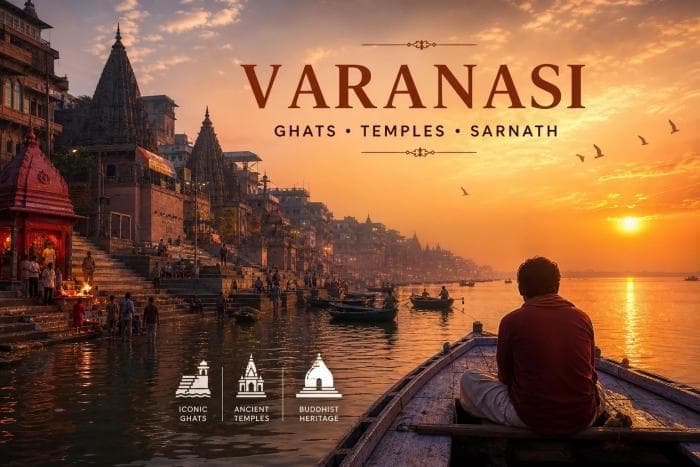
Varanasi is not a destination you tick off a list. It is a city that asks something of you, and gives something back in return. But it also helps enormously to know where to go, when to show up, and what to look for. That is exactly what this guide delivers. At Modern World Travel, we have spent years guiding families, first-time visitors, and pilgrims through Varanasi's lanes, ghats, and temples, and we have put everything that matters into the pages below. By the time you finish reading, you will have a clear picture of the city's must-see places, practical timings, and a real itinerary you can actually use.
Top places to see in Varanasi: the ghats that make the city unlike anywhere else
Varanasi stretches along a crescent-shaped bank of the Ganga, and its 84 ghats are the beating heart of everything. Stone steps, river rituals, cremation fires, morning bathers, priests, musicians, sadhus, the ghats hold it all. Four of them deserve the most of your time.
Dashashwamedh Ghat and the Ganga Aarti: How to watch it right
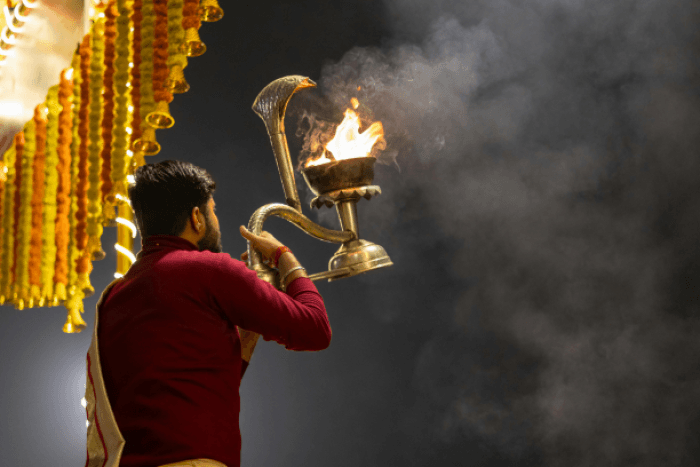
If Varanasi has one unmissable experience among all its attractions, the evening Ganga Aarti at Dashashwamedh Ghat is it. Seven priests in silk robes perform a choreographed ceremony of fire, incense, conch shells, and chanting that builds into something genuinely extraordinary. In winter, the aarti begins at approximately 6:00 PM and runs for about 45 minutes. Arrive by 5:00 PM at the latest. The ghat fills quickly, and positioning matters enormously. The steps offer an immersive ground-level view; a boat hired for the evening gives you the full riverfront perspective and keeps you above the crowd; a rooftop café nearby places you at eye level with the lamps. Each vantage point is worth experiencing at least once.
Assi Ghat: the calm before the city wakes up
Assi Ghat sits at the southern end of the riverfront, and it operates at a gentler frequency than the busier central ghats. The Subah-e-Banaras morning programme begins at approximately 5:30 AM in winter, combining aarti, classical music, and yoga against a backdrop of the rising sun. Families and first-time visitors often find this the most approachable introduction to Varanasi's spiritual life because the crowd is smaller and the atmosphere invites reflection rather than overwhelm. The café culture around Assi is also worth knowing: a clay cup of chai and a quiet breakfast here sets the tone for the whole day beautifully.
Manikarnika Ghat: approaching Varanasi's most sacred fire
Manikarnika is Varanasi's principal cremation ghat, and it holds a significance in Hindu tradition that goes beyond what any description can fully convey. Hindus believe that dying here brings liberation, and the fires at Manikarnika burn continuously. Visiting requires a particular mindset. Do not photograph or film anything at this ghat. Keep a respectful distance, follow the instructions of the attendants, and resist the role of spectator. This is an active place of grief, faith, and ritual. Approached with genuine respect, it is one of the most profound places you will ever stand.
A sunrise boat ride: The one experience that ties it all together
Seeing the ghats from the water at dawn is irreplaceable. A shared boat costs roughly ₹100 to ₹200 per person; a private boat runs approximately ₹500 to ₹1,500 depending on the duration and the boatman. Depart no later than 5:30 AM to catch the full arc of the sunrise. As the sky lightens, you will pass morning bathers, flower offerings drifting downstream, the smoke rising from the burning ghats, and the ancient city reflected in the water. Always agree on the total fare, duration, and return point before you set off.
Varanasi sightseeing: the temples every Kashi pilgrimage is built around
Varanasi's spiritual geography is anchored by its temples, and the city holds hundreds of shrines within its lanes. These are the ones that belong on every itinerary, whether you are ticking off a dedicated pilgrimage circuit or simply want to understand what Kashi sightseeing truly means.
Kashi Vishwanath Temple: darshan tips and the best time to visit
Kashi Vishwanath is one of Hinduism's twelve Jyotirlinga shrines, dedicated to Lord Shiva, and it draws pilgrims from across India and the world. The temple opens at around 2:30 AM; the Mangala Aarti runs from 3:00 to 4:00 AM. The pre-dawn window between 4:00 and 7:00 AM offers the quietest darshan experience. If you arrive between 7:00 and 10:00 AM, expect significant queues. Before entering the security perimeter, deposit your phone, camera, smartwatch, leather items, and large bags at a locker. Wear clothing that covers your shoulders and knees. The Kashi Vishwanath Corridor, completed in 2021, has transformed access and made the approach far more open and navigable than the older winding lanes.
The southern temple cluster: Sankat Mochan, Durga Temple and Tulsi Manas
If you are staying near Assi Ghat or BHU, these three temples form a walkable morning circuit that is well worth two to three hours. Sankat Mochan Hanuman Temple is one of the most actively worshipped temples in the city, filled with devotional energy at almost any hour. A short walk away, the red-walled Durga Temple is striking in its architecture and its setting. Tulsi Manas Temple, a modern marble structure, carries verses from the Ramcharitmanas carved across its walls. The lanes between these three temples are manageable on foot, and the combined atmosphere of the circuit offers something the more crowded central ghats cannot: a sense of the everyday spiritual life of the city.
Lesser-known shrines worth the detour
For visitors with a second day, three places reward the extra effort. The Nepali Temple near Lalita Ghat is a pagoda-style structure with intricate woodwork that stands in complete architectural contrast to everything around it. Vishalakshi Temple, a major Shakti shrine near the Kashi Vishwanath area, is deeply significant for pilgrims completing the Shakti Peetha circuit. Man Mandir Observatory, built by Maharaja Jai Singh II, offers a fascinating detour for history-minded travellers curious about Mughal-era astronomy. None of these requires a long journey; all are walkable from the main riverfront.
Sarnath: a short drive that takes you to the birth of Buddhism
About 10 km from Varanasi Cantt station, roughly 25 to 45 minutes by taxi or auto, Sarnath is where Gautama Buddha delivered his first sermon after enlightenment. The atmosphere here is completely different from the intensity of the ghats: quieter, greener, and carrying a meditative weight that lingers long after you leave. Allow three to four hours and combine it with a morning start for the best experience. For many visitors, Sarnath ranks among the most memorable things to do in Varanasi, a genuine counterpoint to the city's riverside intensity.
Dhamek Stupa and the archaeological site
The Dhamek Stupa is the centrepiece of the archaeological complex, a massive cylindrical structure dating back more than 1,500 years. The surrounding ruins of the ancient monastery give a genuine sense of the scale of what once stood here. Arrive between 8:00 and 9:00 AM for cooler temperatures and fewer crowds. The site opens at 6:00 AM; admission is ₹25 for Indian visitors. Walking quietly around the stupa, particularly in the early morning, is the closest thing to genuine meditation that a sightseeing itinerary can offer.
The Sarnath Museum and the Ashoka Lion Capital
The Sarnath Archaeological Museum houses one of the most important objects in India: the original Ashoka Lion Capital, which serves as the country's national emblem. Seeing the original, rather than a reproduction, is a genuinely moving experience. The museum is typically open from 10:00 AM to 5:00 PM and is closed every Friday. Photography is restricted inside. Admission is approximately ₹5 for Indian visitors. Budget a separate 45 to 60 minutes for the museum after exploring the main site.
Offbeat Varanasi: food lanes and the city locals actually live in
Varanasi's food is inseparable from its identity. Eating here is not just about filling your stomach; it is about understanding how the city moves through its days.
Start early in Kachori Gali with the city's signature breakfast: crisp, spiced kachori with a bowl of hot potato-tomato sabzi. The best versions are gone before 9:00 AM. Around Godowlia and Chowk, tamatar chaat, a distinctly Banarasi preparation of cooked tomatoes, potato, and spices, is the mid-morning snack that regulars plan their walks around. For lassi, Blue Lassi in the old city is well known, though many smaller, less-celebrated shops nearby produce versions just as good. If you visit between November and February, do not leave without trying malaiyyo, a saffron-scented milk dessert so light it dissolves before you are sure you have tasted it. It exists only in winter, and only in Varanasi.
For visitors with a full second day, Ramnagar Fort across the Ganga is a worthwhile half-morning. The 18th-century sandstone fort takes roughly 40 to 60 minutes by taxi from Cantt, and entry to the museum runs approximately ₹20 for Indian visitors.
Bharat Kala Bhavan, the art museum on the BHU campus, is the right choice for travellers who want to see Indian painting, sculpture, and textile collections in a serious, well-curated space. Both warrant a dedicated slot in your itinerary rather than a rushed afterthought.
Practical tips that separate a good Varanasi visit from a great one
The best time to visit Varanasi is October to March. The weather is cool, the skies are clear, and the city's festival calendar is richest during this window. Dev Deepawali in November, when the ghats are lit with hundreds of thousands of lamps on the full moon of Kartik Purnima, is one of the most visually spectacular events in India. Book accommodation several months ahead if you plan to attend. Late February and early March offer the best combination of pleasant weather, manageable crowds, and competitive prices. April to June is genuinely difficult: the heat is severe, and the experience suffers for it.
On dress and photography: cover your shoulders and knees at every temple, remove footwear before entering, and leave leather items and cameras with the lockers at Kashi Vishwanath. At Manikarnika, put your phone away entirely. At Dashashwamedh and Assi, photography is generally accepted, but always ask before pointing a lens at a person in prayer or ritual. At the ghats, keep your valuables in a zipped inner pocket rather than a bag, particularly in crowds around the Ganga Aarti.
For getting around: Godowlia is your drop-off point for the old city. No vehicle reaches most temples and ghats from there; the final stretch is always on foot through narrow lanes. Short auto rides within the city cost approximately ₹30 to ₹100; agree on the total fare before boarding, not after. The two most practical walking circuits are Assi Ghat to Sankat Mochan to Durga Temple to Tulsi Manas, and the ghat walk from Assi northward to Dashashwamedh along the riverfront. Both reward those who take them slowly.
How to plan your Varanasi itinerary: Places to see in Varanasi at dawn and dusk
A half-day plan that works beautifully: be at Assi Ghat by 5:30 AM for the Subah-e-Banaras programme and a sunrise boat ride, then walk or take an auto to Kashi Vishwanath for darshan by 7:00 AM before the queues build. Return to the ghat area by early evening and be at Dashashwamedh Ghat by 5:00 PM for the Ganga Aarti. That sequence, done right, covers the emotional core of the city in a single day.
A full-day plan adds Sarnath: leave for the archaeological site by 8:00 AM, spend the morning there, return by noon, and use the afternoon for the southern temple circuit, Sankat Mochan, Durga Temple, Tulsi Manas, before heading to the Ganga Aarti. A two-day extension folds in Ramnagar Fort, the food trail through Kachori Gali and Godowlia, and the lesser-known riverfront shrines.
Planning this well takes local knowledge, and that is precisely where the team at Modern World Travel earns its place. As a Varanasi-based operator, we handle private boat rides, guided ghat walks, and customised spiritual circuits including Kashi-Prayagraj and Kashi-Ayodhya packages for families and groups. Our professional guides know which temple is quieter at which hour, where the best kachori in the lanes is, and how to manage the unpredictable parts of the city so you can simply be present. Get in touch with our team to build an itinerary around your travel dates, your group, and what you actually want to experience.
Varanasi will give you more than you expect
The city does not reveal itself all at once. Every visitor who returns finds a layer they missed the first time: a shrine tucked into a wall, a morning raag they did not hear before, the particular quality of light on the Ganga at a different hour. The ghats, Kashi Vishwanath, Sarnath, the food lanes, the quiet southern temples, these are the places to see in Varanasi that form the backbone of any honest visit, and this guide has given you the practical tools to experience each of them well.
What you do next is straightforward. Pick your dates, decide how many days you can give the city, and plan around the sequences outlined here. If you would rather hand the logistics to people who navigate these lanes every week, reach out to Modern World Travel. We will take the guesswork out of every step, from the first lamp floating on dark water to the last flame of the Ganga Aarti. The places to see in Varanasi are waiting, and they will give you far more than you came looking for.
Frequently asked questions about places to see in Varanasi
What are the top places to see in Varanasi?
The essential Varanasi attractions include the sunrise ghats, especially Dashashwamedh, Assi, and Manikarnika, the Kashi Vishwanath Temple, the southern temple circuit of Sankat Mochan, Durga Temple, and Tulsi Manas, and the Buddhist heritage site at Sarnath. A sunrise boat ride along the riverfront ties all of these together into a single unforgettable experience.
What is the best time to visit Varanasi?
October to March is the ideal window for Varanasi sightseeing. The weather is cool and manageable, the city's major festivals fall within this period, and the skies are typically clear for sunrise boat rides. Dev Deepawali in November is particularly spectacular. Avoid April to June if possible, as the heat significantly affects the experience.
How many days do you need to cover the main places in Varanasi?
Two full days cover the core places to see in Varanasi comfortably: one day for the ghats, a sunrise boat ride, Kashi Vishwanath, and the Ganga Aarti; a second day for Sarnath in the morning and the southern temple circuit in the afternoon. A third day allows you to explore Ramnagar Fort, Bharat Kala Bhavan, and the city's food lanes at a relaxed pace.
Is Sarnath worth visiting from Varanasi?
Sarnath is one of the most rewarding things to do in Varanasi for travellers who want to experience more than the ghats. Just 10 km from the city, it offers a completely different atmosphere, quieter, greener, and deeply significant as the site of the Buddha's first sermon. The Dhamek Stupa and the Sarnath Museum, which houses the original Ashoka Lion Capital, are genuinely unmissable.
What should I wear when visiting temples and ghats in Varanasi?
Cover your shoulders and knees at all temples. Remove footwear before entering any shrine. At Kashi Vishwanath, leave cameras, smartwatches, and leather items at the designated lockers. At Manikarnika Ghat, put your phone away entirely out of respect for the cremation rituals taking place there.
Related Itineraries
 6 Nights / 7 Days
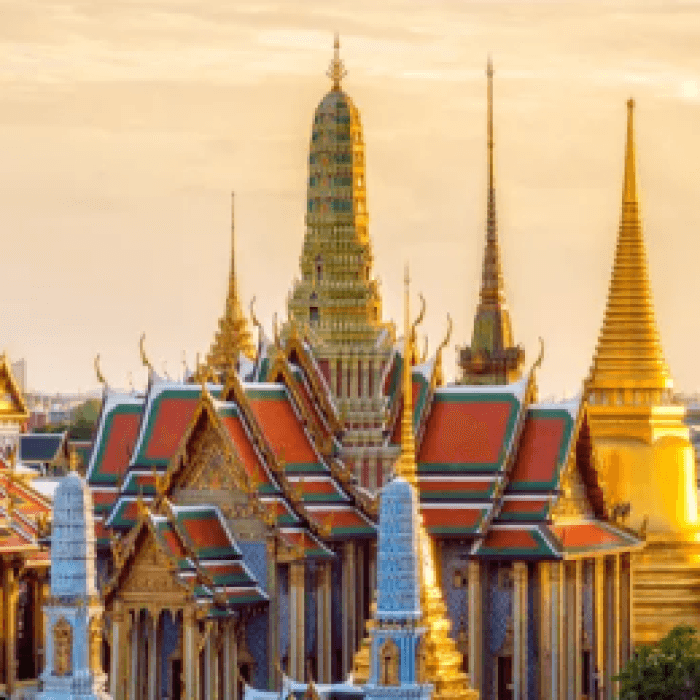
This UP Adhyatmik Circuit starting from Varanasi covers the most important spiritual destinations of Uttar Pradesh, including Varanasi, Sarnath, Prayagraj, Chitrakoot, Ayodhya, Mathura, and Vrindavan. The journey includes temple darshan, holy river rituals, and visits to key Ramayana and Krishna pilgrimage sites, offering a peaceful and well-planned spiritual experience across the state.
<p>This is the pilgrimage that joins two of the holiest cities in all of Hinduism — Kashi, the eternal city of Lord Shiva, and Ayodhya, the birthplace of Lord Rama. Together they make a short but deeply moving spiritual journey through the heart of Uttar Pradesh, and it's one of the most meaningful trips you can take in North India.</p><p>You'll begin in Varanasi (Kashi), a city unlike anywhere else on earth. Here the days revolve around the Ganga and its ghats — a sunrise boat ride past the bathing pilgrims, the darshan at the Kashi Vishwanath Temple (one of the twelve sacred Jyotirlingas), and the spectacular evening Ganga Aarti at Dashashwamedh Ghat, where lamps, bells and chanting fill the air. We'll also take you to nearby Sarnath, where the Buddha preached his first sermon, so you touch two great spiritual traditions in one place. The old lanes, the temples and the sheer devotional energy of Kashi make for an unforgettable start.</p><p>From there the road leads to Ayodhya, a city living through a remarkable spiritual revival. This is the janmabhoomi — the birthplace — of Lord Rama, and the magnificent Ram Mandir has made it one of the most visited pilgrimage destinations in the country. You'll have darshan at the temple, visit the much-loved Hanuman Garhi and the beautiful Kanak Bhawan, and witness the serene evening aarti on the banks of the Saryu River, where little lamps drift on the water as the day closes. Ayodhya's gentle, devotional atmosphere is the perfect counterpoint to the intensity of Kashi.</p><p>What makes this circuit so special is the contrast and the connection between the two cities — Shiva's Kashi and Rama's Ayodhya, both ancient, both sacred, both central to the faith of millions. Travelling between them, you follow a path that pilgrims have walked for generations, and you come away with a real sense of the living spiritual landscape of the Ganga plains.</p><p>The route is comfortably covered by road, with good highways linking the two cities, so you spend your energy on darshan and reflection rather than on logistics. It suits families, elders and first-time pilgrims alike, and can be paced gently to allow plenty of time at each temple. We take care of everything along the way — comfortable hotels, a clean and dependable AC vehicle with an experienced driver, temple-visit guidance, and all transfers — so your Kashi–Ayodhya yatra flows smoothly from one sacred city to the next. Tell us your dates and how long you'd like, and we'll shape the journey around you and send across a tailored quote.</p>
 3 Nights / 4 Days
<p>If you want the complete spiritual heart of Uttar Pradesh in a single journey, this is the one. It links the three great sacred cities of the state — Kashi (Varanasi), Prayagraj and Ayodhya — into one flowing pilgrimage that takes in the Ganga, the holy Sangam and the birthplace of Lord Rama. It's the classic North Indian spiritual triangle, and it's wonderfully rewarding.</p><p>The journey usually opens in Varanasi, the eternal city of Lord Shiva. You'll experience a dawn boat ride along the ghats, darshan at the Kashi Vishwanath Temple, and the grand evening Ganga Aarti, with a visit to Sarnath for its Buddhist heritage. Kashi's intensity — the bells, the lamps, the devotion packed into its narrow lanes — sets the tone for everything that follows.</p><p>Next comes Prayagraj, home to the Triveni Sangam, the sacred meeting point of the Ganga, the Yamuna and the mythical Saraswati. A boat out to the confluence for a holy dip or a quiet moment of prayer is the spiritual centrepiece here; this is the ground of the great Kumbh Mela, the largest gathering of pilgrims on earth. You'll also visit landmarks like the Akshayavat and the revered Bade Hanuman temple, feeling the weight of a place sacred beyond measure.</p><p>The pilgrimage then moves on to Ayodhya, birthplace of Lord Rama and home to the magnificent Ram Mandir. Here you'll have temple darshan, visit Hanuman Garhi and Kanak Bhawan, and share in the peaceful aarti on the Saryu River at dusk. After the river rituals of Kashi and the confluence at Prayagraj, arriving in Rama's city brings the journey to a gentle, uplifting close.</p><p>Threaded together, these three cities tell a complete spiritual story — Shiva, the sacred rivers, and Rama — across the fertile plains where so much of Hindu faith took root. The cities sit along a convenient road corridor, which makes the circuit practical as well as profound, with comfortable driving distances between each stop.</p><p>This tour suits devotees of every age, from families travelling with elders to first-time pilgrims wanting to see the essentials done properly. It can be paced to linger longer at whichever city calls to you most. We arrange the whole thing end to end — well-located hotels, a comfortable AC car and seasoned driver for the full route, help navigating the temples and ghats, and all your transfers — so your Kashi–Prayagraj–Ayodhya journey unfolds calmly and joyfully. Share your preferred dates and group size with us and we'll craft an itinerary to match and send you a tailored quote.</p>