
Ganga Aarti Timing Varanasi 2026: Updated Schedule, Best Ghat & Tips
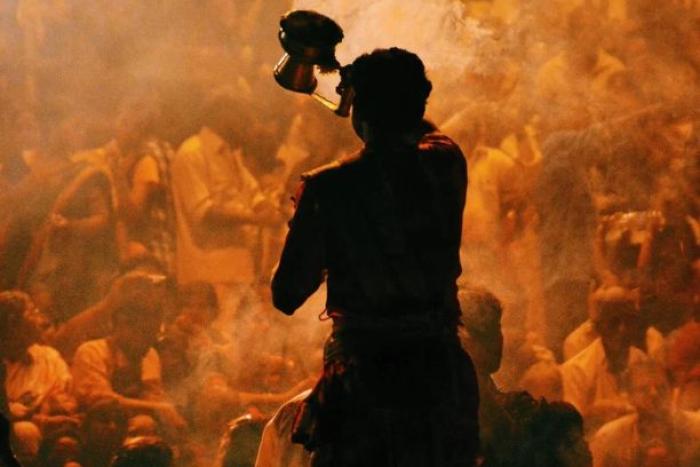
Ask anyone who has been to Varanasi what they remember most, and many will say the evening Ganga Aarti.
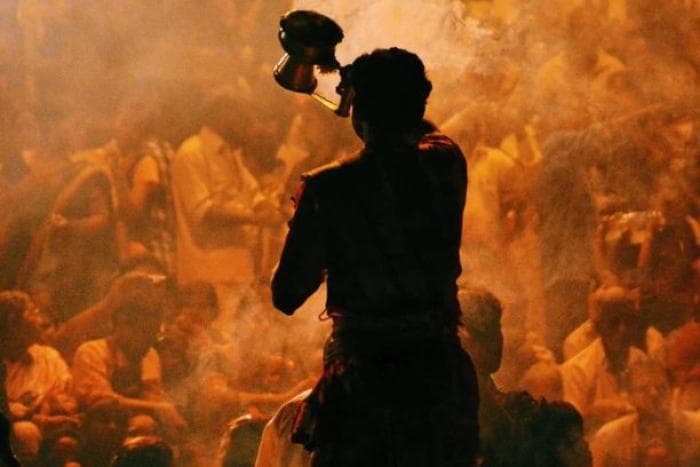
Every night after sunset, young priests stand at the edge of the river with fire lamps, bells and conch shells while thousands of people watch in silence. It is free, it happens every day of the year, and it is one of the most moving things you can see in India.
If you are planning a trip, the first question is always the same: what time does it start? This guide covers the 2026 timings, which ghat to pick, how to watch, and a few tips to help your evening go smoothly.
Ganga Aarti Timing in Varanasi (2026)
There is no fixed clock time for the aarti. It begins just after sunset, so the start time shifts a little through the year. The main ceremony at Dashashwamedh Ghat lasts about 45 minutes, and a bit longer on big days like Kartik Purnima, Ganga Dussehra and Diwali.
Here are the usual timings:
- October to March: Around 6:00 pm (sometimes 5:45 pm in December and January). This is peak season, so reach 75 to 90 minutes early.
- April to June: Around 7:00 pm. Reach 35 to 45 minutes early.
- July to September: Around 6:45 pm. Reach 30 to 45 minutes early. When the river is high, the ceremony moves up the steps.
Police usually put up barricades around the main viewing area 35 to 50 minutes before the start. After that, you can only watch from the edges or from a boat. These timings were checked against Varanasi visitor guides in late October 2026. Festival days and VIP visits can change things, so confirm with your hotel on the day.
Which Ghat Is Best for You?
Dashashwamedh Ghat
Dashashwamedh Ghat is the big one. It has seven priests, the largest crowd and the most elaborate setup. On a winter weekend, several thousand people gather here, so expect a crush. Even so, it is worth seeing at least once.
Assi Ghat
Assi Ghat, about 2 km upstream, is calmer. Its evening aarti is smaller and shorter, usually around 6 pm in winter and 7 pm in summer, with more locals than tourists.
The real highlight here is the morning programme, Subah-e-Banaras. It starts about 45 minutes before sunrise (around 5:30 am from October to March) with a short aarti as the sun rises over the far bank. Then come Vedic chanting, a classical music recital and a free open-air yoga session. The whole thing runs about two hours and costs nothing. Carry a shawl in winter, as the mornings are cold.
Rajendra Prasad Ghat and Other Ghats
Rajendra Prasad Ghat, right next to Dashashwamedh, has its own aarti run by a different group. It is slightly less crowded, so arriving 30 to 40 minutes early is usually enough, even in peak season.
Smaller ghats like Kedar and Panchganga hold quiet aartis that feel more like prayer than performance. If you have two evenings in the city, try Dashashwamedh on one and a quieter ghat on the other.
How to Watch: Steps, Boat or Rooftop
Each option has its own feel, so it depends on what you want from the evening.
- Ghat steps: Free, and you sit closest to the priests. You will hear every bell and smell the camphor and incense. The catch is that you must arrive very early, and the crowd is thick.
- Shared boat: About Rs 250 to 500 per person. You see the whole line of lamps from the water. Many boats tie up together, so you may be a few boats back, and the sound feels distant.
- Private boat: About Rs 1,500 to 3,000 per boat. Your boatman can hold a good spot near the front. In winter, board by 4:30 pm to get that position.
- Rooftop café or hotel terrace: Usually Rs 200 to 500 as a cover charge or minimum spend. You can sit comfortably with a drink and take good photos, but you lose the sound and the sense of being part of it.
Boat prices are based on what boatmen were quoting this season. Agree on the price and the duration before you get in, and pay at the end. Go with licensed boatmen at the ghat rather than touts in the lanes, and ask for a life jacket, as they are rarely offered. During monsoon floods, usually in August and September, boating is stopped completely.
Simple Tips for a Smooth Evening
The aarti is worship, not a show, so a little respect goes a long way. Stand or sit when people around you do, keep your voice low, and never walk in front of the priests' platforms during the ceremony. Photos are fine from the steps and the water, but drones are not allowed over the ghats.
Keep your phone and wallet in a zipped bag held in front of you, as pickpockets work the crowded area. There are no toilets at the ghat, so plan ahead. Dress modestly, and throw only flowers into the river. Children selling small flower lamps (diyas) will approach you, and Rs 10 to 20 is a fair price. Floating one on the river is a lovely part of the experience.
Manikarnika and Harishchandra ghats, further downstream, are working cremation grounds. Please do not take photos there, and do not follow anyone offering to take you closer in return for a donation.
Dev Deepawali 2026 and Planning Your Trip
The best time to visit Varanasi is from October to March, when the days are pleasant and the evenings are cool. From April the heat is hard to bear, and the monsoon shrinks the ceremony.
The biggest night of the year is Dev Deepawali, on Tuesday, 24 November 2026. Fifteen days after Diwali, every ghat is lined with earthen lamps. Last year the state government reported around 2.5 million lamps, along with a light show and fireworks.
It is unforgettable, but also tiring. Riverside hotels sell out one to two months ahead, boats cost several times more, and the lanes are packed from mid-afternoon. If you want to be there, book your stay and a boat right away. If you prefer a calmer visit, come the week after, when the city is still decorated and the crowds are gone.
Planning all this on your own can get confusing, especially around festival dates. At Modern World Travel, we help travellers plan their Varanasi trips, from hotels near the ghats to boat rides and a smooth evening at the aarti. Whether you want to see it once or build a longer trip around Kashi, get in touch and we will help you plan it.
Frequently Asked Questions (FAQs)
1. What time is the Ganga Aarti in Varanasi?
The aarti starts just after sunset, so the time changes through the year. It is around 6:00 pm from October to March, and around 7:00 pm from April to September. The ceremony lasts about 45 minutes.
2. Is the Ganga Aarti free to attend?
Yes, it is free and happens every night of the year. You only pay if you choose a boat, a rooftop café or a hotel terrace to watch from.
3. How early should I reach for a good spot?
In peak season (October to March), reach 75 to 90 minutes early for a place on the steps. In summer and the monsoon months, 30 to 45 minutes is usually enough.
4. Which is better, Dashashwamedh Ghat or Assi Ghat?
Dashashwamedh is bigger, with more priests and a huge crowd. Assi Ghat is calmer and more local. Its morning programme, Subah-e-Banaras, begins about 45 minutes before sunrise and is a lovely way to start the day.
5. When is Dev Deepawali in 2026?
Dev Deepawali falls on Tuesday, 24 November 2026. Hotels near the ghats sell out one to two months ahead, so book your stay and boat early.
Related Itineraries
<p>This is the pilgrimage that joins two of the holiest cities in all of Hinduism — Kashi, the eternal city of Lord Shiva, and Ayodhya, the birthplace of Lord Rama. Together they make a short but deeply moving spiritual journey through the heart of Uttar Pradesh, and it's one of the most meaningful trips you can take in North India.</p><p>You'll begin in Varanasi (Kashi), a city unlike anywhere else on earth. Here the days revolve around the Ganga and its ghats — a sunrise boat ride past the bathing pilgrims, the darshan at the Kashi Vishwanath Temple (one of the twelve sacred Jyotirlingas), and the spectacular evening Ganga Aarti at Dashashwamedh Ghat, where lamps, bells and chanting fill the air. We'll also take you to nearby Sarnath, where the Buddha preached his first sermon, so you touch two great spiritual traditions in one place. The old lanes, the temples and the sheer devotional energy of Kashi make for an unforgettable start.</p><p>From there the road leads to Ayodhya, a city living through a remarkable spiritual revival. This is the janmabhoomi — the birthplace — of Lord Rama, and the magnificent Ram Mandir has made it one of the most visited pilgrimage destinations in the country. You'll have darshan at the temple, visit the much-loved Hanuman Garhi and the beautiful Kanak Bhawan, and witness the serene evening aarti on the banks of the Saryu River, where little lamps drift on the water as the day closes. Ayodhya's gentle, devotional atmosphere is the perfect counterpoint to the intensity of Kashi.</p><p>What makes this circuit so special is the contrast and the connection between the two cities — Shiva's Kashi and Rama's Ayodhya, both ancient, both sacred, both central to the faith of millions. Travelling between them, you follow a path that pilgrims have walked for generations, and you come away with a real sense of the living spiritual landscape of the Ganga plains.</p><p>The route is comfortably covered by road, with good highways linking the two cities, so you spend your energy on darshan and reflection rather than on logistics. It suits families, elders and first-time pilgrims alike, and can be paced gently to allow plenty of time at each temple. We take care of everything along the way — comfortable hotels, a clean and dependable AC vehicle with an experienced driver, temple-visit guidance, and all transfers — so your Kashi–Ayodhya yatra flows smoothly from one sacred city to the next. Tell us your dates and how long you'd like, and we'll shape the journey around you and send across a tailored quote.</p>
 2 Nights / 3 Days
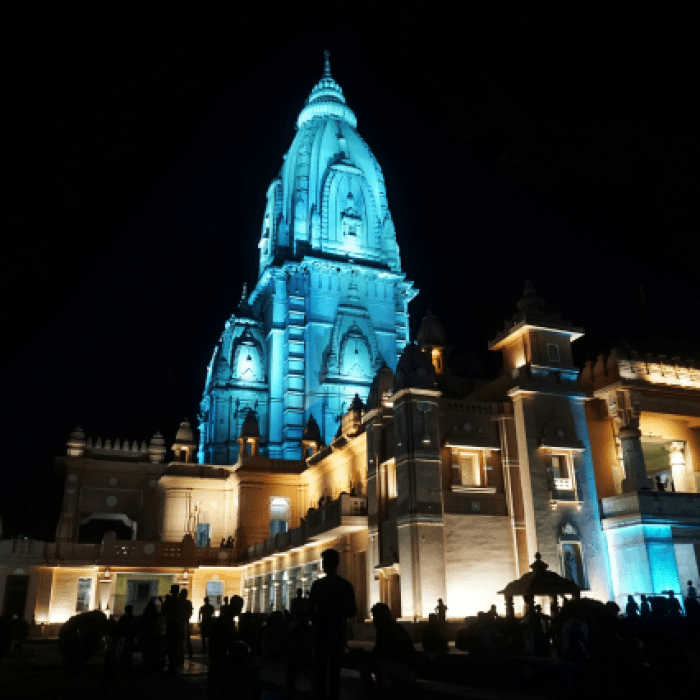
Varanasi is one of the oldest living cities in the world, known for its spiritual energy, sacred ghats, and timeless traditions. From the peaceful sunrise on the Ganges to the powerful Ganga Aarti in the evening, every moment here feels divine and deeply cultural.