


Salkhan Fossils Park: The Oldest Story Uttar Pradesh Has to Tell
Salkhan Fossils Park holds some of the world's oldest fossils. Learn its history, best time to visit and how to reach it from Varanasi.
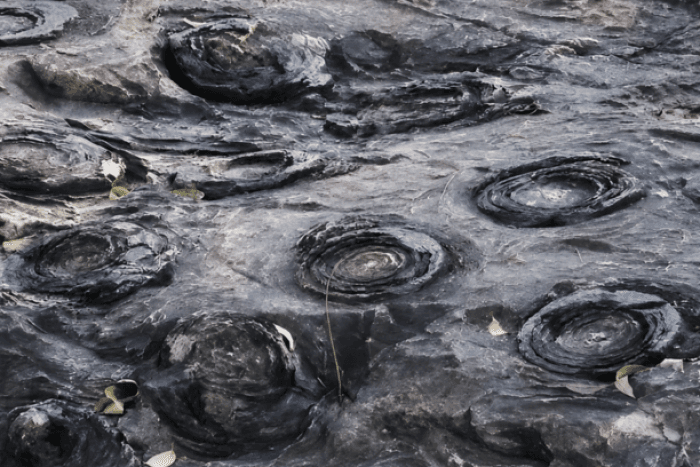
Tucked away in the Kaimur hills of Uttar Pradesh, there is a small park that holds a story older than any fort, temple, or monument in India. Salkhan Fossils Park, near Robertsganj in Sonbhadra district, has fossils that are believed to be around 1.4 billion years old. For a state known for its rich history of kings and empires, this park offers something on a totally different scale — a real look at how life first began on Earth.
For travellers who like places with a genuine story behind them, this is one of those rare spots where you're not just looking at old rock. You're looking at actual proof of how life took its first steps on this planet.
Where the Park Is and How Old It Really Is
Salkhan Fossils Park, also known as Sonbhadra Fossils Park, sits about 12 kilometres from Robertsganj, right next to the Kaimur Wildlife Sanctuary. The park spreads across roughly 25 hectares and sits within the Vindhyan hill range, an area known for its rugged land and layered limestone rock. Geologists have known about these fossils since the 1930s, and after years of study, the site was officially turned into a fossil park in 2002.
The fossils here are called stromatolites — formed by tiny algae that lived in shallow water millions of years ago. These aren't fossils of animals or plants the way most people imagine. They look more like ripple or ring-shaped patterns pressed into the limestone, formed slowly over an unimaginable stretch of time. Walking through the park feels less like regular sightseeing and more like stepping into an open-air museum of the planet's early days.
Why Scientists Around the World Care About This Place
What makes Salkhan special isn't just its age, but how clearly the fossils have survived. During an international workshop held at the park in 2002, a Canadian geologist who has studied fossil sites all over the world said he had rarely seen fossils this clear and well preserved anywhere else. That kind of praise from an expert says a lot, and it's a big reason the site is being taken seriously for global recognition.
These stromatolites are linked to a major moment in Earth's history called the Great Oxidation Event — a time when early tiny organisms began releasing oxygen into the air, which eventually made it possible for more complex forms of life to exist. Salkhan's rock layers capture this period in unusual detail, which is why the site matters not just for India, but for understanding the story of life on Earth as a whole.
The Road Towards UNESCO Recognition
India formally submitted Salkhan Fossil Park to UNESCO's tentative list in June 2025, proposing it as a natural heritage site. The idea behind the nomination is simple: while fossil sites from more recent time periods are already well represented around the world, sites from this much older era are rare, even though this era makes up most of Earth's history. In that sense, Salkhan is filling a real gap.
If the park eventually gets full UNESCO World Heritage status, it would stand alongside famous fossil sites in Canada, South Africa, and the United States. For a part of Uttar Pradesh that doesn't usually show up on the typical tourist map, this kind of recognition could change a lot — bringing in researchers, students, and curious travellers who want to see the story of early life with their own eyes.
Why It's Worth Adding to Your Uttar Pradesh Trip
Uttar Pradesh already pulls in travellers for its temples, forts, and the timeless pull of the Ganga. Salkhan Fossils Park offers something quite different — a slower, quieter kind of wonder. There are no crowds, no long queues, just open rock surfaces holding patterns that formed over a billion years ago, set against the green backdrop of the Kaimur hills.
The park is well connected by road from Varanasi and Mirzapur, so it's an easy addition to a longer trip through the region, especially if you enjoy geology, nature, or simply offbeat places that most tourists skip. Pair it with a visit to the Kaimur Wildlife Sanctuary right next door, and you get a day that mixes deep history with real forest scenery.
Whether or not UNESCO gives it full World Heritage status, Salkhan Fossils Park already holds something priceless — a direct, physical link to the earliest chapters of life on Earth. For anyone travelling through Uttar Pradesh with a bit of curiosity, it's a stop worth making.
Plan Your Visit with Modern World Travel
Getting to a place like Salkhan Fossils Park is easier when someone local handles the details. At Modern World Travel, we help travellers build trips around Uttar Pradesh's lesser-known corners, not just the famous stops. From arranging transport out of Varanasi or Mirzapur to putting together a route that combines Salkhan Fossils Park with the Kaimur Wildlife Sanctuary and other nearby sights, we take care of the planning so you can enjoy the experience.
If a billion-year-old landscape sounds like the kind of detour you'd love, get in touch with us and we'll help you fit it into your journey.
Frequently Asked Questions (FAQs)
1. How old are the fossils at Salkhan Fossils Park?
The fossils found here are estimated to be around 1.4 billion years old, making them among the oldest known fossils in the world.
2. What kind of fossils will I see at the park?
You'll mostly see stromatolites, which are ring-like or ripple-shaped patterns formed by ancient algae in shallow water, pressed into the limestone rock.
3. How do I reach Salkhan Fossils Park?
The park is about 12 kilometres from Robertsganj and is well connected by road from Varanasi and Mirzapur. The nearest airport is Varanasi, and the nearest railway station is Robertsganj.
4. Has Salkhan Fossils Park received UNESCO World Heritage status?
Not yet. India submitted it to UNESCO's tentative list in June 2025, which is the first step towards full World Heritage recognition. A final decision is still pending.
5. Is Salkhan Fossils Park worth visiting along with other nearby places?
Yes. It sits right next to the Kaimur Wildlife Sanctuary, so travellers often combine both in a single day trip for a mix of geology and nature.
Related Itineraries
 3 Nights / 4 Days
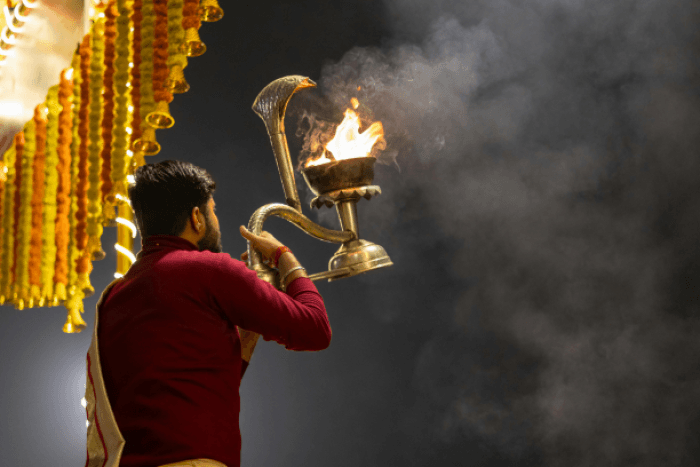
The Kashi–Prayagraj–Ayodhya tour is a spiritually enriching journey covering three of India’s most sacred cities associated with Lord Shiva, the holy confluence of rivers, and Lord Ram. Beginning in Varanasi with temple darshan, a peaceful Ganga boat ride, and the grand Ganga Aarti, the journey continues to Prayagraj for a holy dip at Triveni Sangam and darshan at Hanuman Mandir, and concludes in Ayodhya with darshan at Shri Ram Janmabhoomi and the serene Saryu Aarti, offering a complete and meaningful pilgrimage experience.
 1 Night / 2 Days
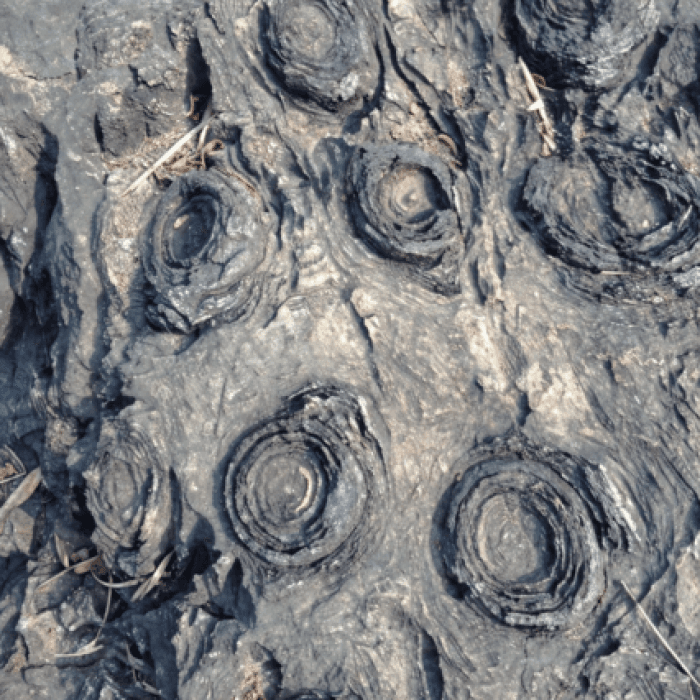
Day 1: Start early from Varanasi and drive towards Chunar Fort, a historic fort on the Ganga with connections to Maharaja Vikramaditya and the British era. After exploring the fort, continue to Salkhan Fossils Park in Sonbhadra, one of the oldest fossil sites in the world. Spend the afternoon walking through the fossil beds and learning about ancient stromatolites. In the evening, take a short visit to Kaimur Wildlife Sanctuary before checking in for an overnight stay near Robertsganj. Day 2: After breakfast, head to Vijaygarh Fort, a lesser-known hill fort with scenic views of the surrounding Kaimur range. Spend the morning exploring the fort and its history, then start the drive back to Varanasi, reaching by evening.
 1 Night / 2 Days
Day 1: Depart from Varanasi and head straight to Salkhan Fossils Park, arriving by late morning. Spend a couple of hours exploring the fossil park before continuing to nearby Vijaygarh Fort, just 15 km away. Explore the fort and its surrounding hills, then check in for an overnight stay near Robertsganj. In the evening, take a relaxed walk around Kaimur Wildlife Sanctuary. Day 2: After breakfast, start the return journey towards Varanasi, stopping at Chunar Fort along the way. Spend an hour or two exploring the fort, its old tunnels, and views of the Ganga, before continuing back to Varanasi by evening.