
Best Time to Visit Varanasi Without Crowds: Month-by-Month Guide
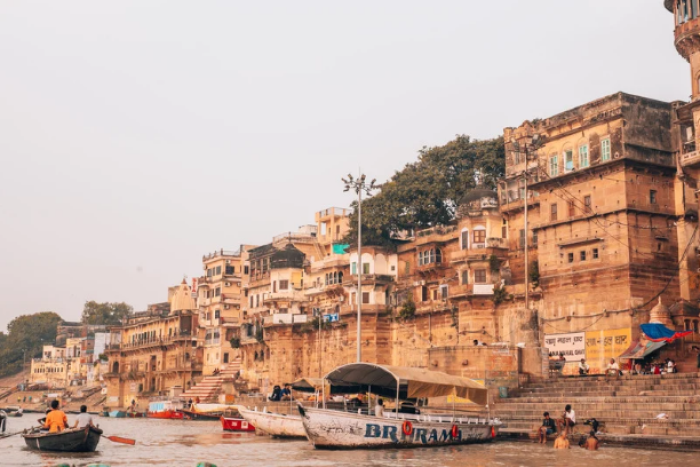
Varanasi feels different in every season. In winter the ghats are wrapped in morning mist.
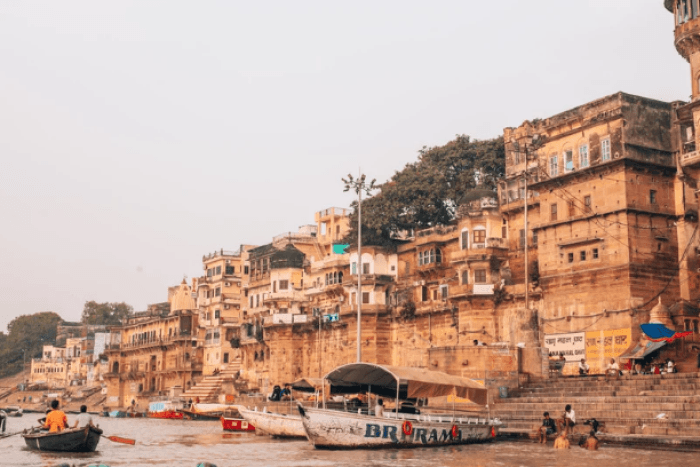
In summer the lanes go quiet in the afternoon heat. During the rains the Ganga rises and the whole riverfront changes shape. So when you search for the best time to visit Varanasi, there is no single right answer. It depends on what you want from your trip.
Many travellers want one thing in particular: fewer people. Varanasi is a busy city, and during festivals and peak winter, the ghats, the lanes near the temples and the boat points can get very crowded. This Varanasi travel guide goes through each season and month with weather, crowd levels and festival notes, so you can pick the time that suits you.
Best Time to Visit Varanasi Without Crowds: The Quick Answer
Here is the short version:
- Best overall weather: November to February. The days are cool and comfortable, which is perfect for ghat walks, temple visits and sunrise boat rides. The catch is that this is also the busiest time.
- Best balance of good weather and fewer people: October and early March. October is a shoulder month, with the weather getting better and less pressure from crowds than in peak winter. Early March is still pleasant before the heat builds up.
- Lowest crowds and lowest prices: July to September. You get green views, lower hotel rates and fewer visitors, but the rain and the rising river can disturb your plans.
- Months to avoid: April, May and June, when the heat is extreme.
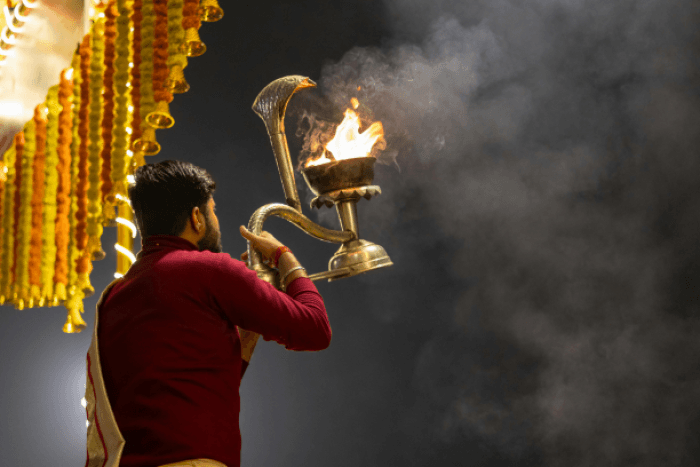
The honest truth is that the best weather and the smallest crowds rarely come together. You usually have to choose one. If you must travel in peak winter, you can still beat most of the crowd by starting early. Many travellers head to the quieter morning programme at Assi Ghat instead of the packed evening aarti. Our guide to Assi Ghat in Varanasi explains how to plan it.
Varanasi Weather and Month-by-Month Guide
Before the months, here is a simple look at Varanasi weather through the year:
- Winter (November to February): about 8°C to 25°C. Cool mornings, pleasant afternoons and the most comfortable season for sightseeing.
- Summer (March to June): it starts manageable in March, then climbs to 40–45°C in May and June.
- Monsoon (July to September): about 25°C to 35°C. It is humid with frequent rain, but the views are green, and the lower ghats may flood.
Now, month by month:
- October: A strong shoulder month. The weather is improving, and the crowds are lower than in the peak winter months. This is one of the best picks if you want comfort without the rush. It also suits spiritual travellers.
- November: The most balanced month for weather, culture and festivals, and it includes Dev Deepawali, when the ghats shine with thousands of lamps. It is lovely, but it is not a quiet month. Book your stay well in advance.
- December: Cold, foggy mornings and comfortable days. It is a favourite for travellers who want a deep, atmospheric winter trip, and it is a good month for photography with the mist and lights.
- January: About 8°C to 18°C. Mornings are cold, the ghats are misty, and the crowds are moderate to high. It is great for moody river views and sunrise boat rides. Pack warm layers.
- February: About 10°C to 24°C. This is one of the most comfortable months, especially for first-time visitors. Crowds are high but manageable.
- March: About 15°C to 30°C, with moderate crowds. The first weeks are pleasant, but the heat rises quickly as the month goes on. Early March is a smart choice if you want good weather and fewer people.
- April to June: The heat takes over, and daytime sightseeing becomes tiring. Crowds are at their lowest, but so is your energy. If you come in these months, plan only for sunrise and evening, and rest in the afternoon.
- July to September: The monsoon window. It is green, scenic and cheaper, but the weather is harder to predict. The river rises and may flood the lower ghats, so boat rides are not always possible. It suits budget travellers and anyone who loves a moody, rainy city.
If you want an easy rule: pick October or early March for good weather with lighter crowds, July to September for the quietest and cheapest trip, and November to February if comfort matters more than crowds.
When Not to Visit Varanasi and Which Festivals Fill the City
If you are asking when not to visit Varanasi, April to June is the clearest answer. The heat goes above 40°C, and it is easy to feel tired and unwell. Mid-July to August can also upset your plans, as the river swells and the ghats can flood.
Festivals are the other big factor. They are wonderful to see, but they bring large crowds:
- Dev Deepawali (November): The most famous night of the year, when every ghat is lined with earthen lamps. Riverside hotels sell out two to three months ahead. If you want the city's glow without the crush, come the week after. The decorations are often still up, and the crowds are far smaller.
- Mahashivratri (February or March): Very high spiritual energy, with heavy crowds at the temples.
- Holi (March): Colourful and exciting, but crowded and intense. You can read more about it on our Holi experience page.
If you want to see a festival, book early and keep the whole day free. If you want a calm trip, check the festival dates for your month before you book, and avoid them.
Simple Tips for a Smooth, Crowd-Free Trip
A few small habits make a big difference, whatever month you choose:
- Start early. Plan your day around sunrise and the evening. Sunrise at the ghats is peaceful in every season, and the afternoon is best for resting.
- Book early in winter. Reserve your stay 6 to 8 weeks ahead for the winter months, and 2 to 3 months ahead for Dev Deepawali.
- Pack for the season. Carry warm layers in winter and full rain gear in the monsoon.
- Check the river. Before any monsoon boat plan, ask your hotel about the water level.
- Confirm festival dates. Check the dates in the week of your visit before you finalise your booking.
- Do not treat every month the same. A trip in January and a trip in August are two very different experiences, so pack and plan for the month you pick.
- See the main ghats at quieter hours. The evening aarti at Dashashwamedh Ghat draws big crowds, so arrive early or watch from a boat.
Plan Your Varanasi Trip with Modern World Travel
Picking the right month is the first step. The next is putting everything together, from hotels near the ghats to boat rides, guides and day trips. This is where a local travel agency helps.
At Modern World Travel, we are based in Varanasi, and we plan trips around your dates, your pace and your comfort. We can also help with your arrival through our Varanasi airport services. If you are short on time, our Explore the Spiritual Heart of India – Varanasi tour covers the city in 2 nights and 3 days. If you would like to see more than one city, you can pair Varanasi with Prayagraj or Ayodhya, using our Varanasi – Prayagraj Spiritual Tour or Kashi – Ayodhya tour. You can also browse everything we offer in the city on our Varanasi Sarnath packages page.
Tell us your month, and we will tell you what to expect. Contact us, and we will help you plan a Varanasi trip that fits your travel style.
Related Itineraries
 2 Nights / 3 Days
<p>Short on time but longing for a soul-stirring pilgrimage? This compact circuit pairs two of the most sacred places on the Ganga — Kashi (Varanasi) and Prayagraj — into a beautifully focused spiritual journey. It centres on India's holiest waters: the ghats of the eternal city and the great Triveni Sangam where three rivers meet.</p><p>Kashi comes first. Varanasi is the city of Lord Shiva, and there's nowhere quite like it. You'll glide along the river at sunrise as pilgrims bathe and pray, take darshan at the Kashi Vishwanath Temple — one of the twelve Jyotirlingas — and stand among the crowds for the mesmerising evening Ganga Aarti, when the riverfront glows with lamps and echoes with chanting. Time spent wandering the old lanes, with their hidden shrines, silk shops and the scent of incense, deepens the sense of a city that has been sacred for thousands of years. A visit to Sarnath adds a layer of Buddhist history close by.</p><p>From Kashi, the route follows the Ganga upstream to Prayagraj and its spiritual crown jewel, the Triveni Sangam — the meeting of the Ganga, the Yamuna and the unseen, mythical Saraswati. Taking a boat out to the confluence for a holy dip or a few quiet minutes of prayer is the emotional high point of the trip; this is hallowed ground, the site of the vast Kumbh Mela. You'll also see revered spots like the ancient Akshayavat and the Bade Hanuman temple, rounding out a visit to one of Hinduism's most important cities.</p><p>What makes this circuit so appealing is its focus. Rather than rushing between many places, you give your full attention to two supremely sacred cities and the river that binds them — the perfect choice for a long weekend of devotion, a first pilgrimage, or a return visit to concentrate on the essentials. The two cities are an easy drive apart, so there's minimal time on the road and maximum time for darshan and reflection.</p><p>It's a journey that works beautifully for families and elders, since the pace can be kept gentle and the key rituals arranged without fuss. Whether your heart is set on the aarti at Kashi or the dip at the Sangam, this circuit delivers the spiritual core of the Ganga plains in a short, manageable trip.</p><p>We handle every detail so you can simply immerse yourself — comfortable, well-placed hotels, a clean AC vehicle with an experienced driver for the whole route, guidance at the temples and ghats, and smooth transfers throughout. Just tell us your dates and how many are travelling, and we'll tailor the Kashi–Prayagraj circuit to suit you and send across a personalised quote.</p>
<p>This is the pilgrimage that joins two of the holiest cities in all of Hinduism — Kashi, the eternal city of Lord Shiva, and Ayodhya, the birthplace of Lord Rama. Together they make a short but deeply moving spiritual journey through the heart of Uttar Pradesh, and it's one of the most meaningful trips you can take in North India.</p><p>You'll begin in Varanasi (Kashi), a city unlike anywhere else on earth. Here the days revolve around the Ganga and its ghats — a sunrise boat ride past the bathing pilgrims, the darshan at the Kashi Vishwanath Temple (one of the twelve sacred Jyotirlingas), and the spectacular evening Ganga Aarti at Dashashwamedh Ghat, where lamps, bells and chanting fill the air. We'll also take you to nearby Sarnath, where the Buddha preached his first sermon, so you touch two great spiritual traditions in one place. The old lanes, the temples and the sheer devotional energy of Kashi make for an unforgettable start.</p><p>From there the road leads to Ayodhya, a city living through a remarkable spiritual revival. This is the janmabhoomi — the birthplace — of Lord Rama, and the magnificent Ram Mandir has made it one of the most visited pilgrimage destinations in the country. You'll have darshan at the temple, visit the much-loved Hanuman Garhi and the beautiful Kanak Bhawan, and witness the serene evening aarti on the banks of the Saryu River, where little lamps drift on the water as the day closes. Ayodhya's gentle, devotional atmosphere is the perfect counterpoint to the intensity of Kashi.</p><p>What makes this circuit so special is the contrast and the connection between the two cities — Shiva's Kashi and Rama's Ayodhya, both ancient, both sacred, both central to the faith of millions. Travelling between them, you follow a path that pilgrims have walked for generations, and you come away with a real sense of the living spiritual landscape of the Ganga plains.</p><p>The route is comfortably covered by road, with good highways linking the two cities, so you spend your energy on darshan and reflection rather than on logistics. It suits families, elders and first-time pilgrims alike, and can be paced gently to allow plenty of time at each temple. We take care of everything along the way — comfortable hotels, a clean and dependable AC vehicle with an experienced driver, temple-visit guidance, and all transfers — so your Kashi–Ayodhya yatra flows smoothly from one sacred city to the next. Tell us your dates and how long you'd like, and we'll shape the journey around you and send across a tailored quote.</p>
 3 Nights / 4 Days
<p>If you want the complete spiritual heart of Uttar Pradesh in a single journey, this is the one. It links the three great sacred cities of the state — Kashi (Varanasi), Prayagraj and Ayodhya — into one flowing pilgrimage that takes in the Ganga, the holy Sangam and the birthplace of Lord Rama. It's the classic North Indian spiritual triangle, and it's wonderfully rewarding.</p><p>The journey usually opens in Varanasi, the eternal city of Lord Shiva. You'll experience a dawn boat ride along the ghats, darshan at the Kashi Vishwanath Temple, and the grand evening Ganga Aarti, with a visit to Sarnath for its Buddhist heritage. Kashi's intensity — the bells, the lamps, the devotion packed into its narrow lanes — sets the tone for everything that follows.</p><p>Next comes Prayagraj, home to the Triveni Sangam, the sacred meeting point of the Ganga, the Yamuna and the mythical Saraswati. A boat out to the confluence for a holy dip or a quiet moment of prayer is the spiritual centrepiece here; this is the ground of the great Kumbh Mela, the largest gathering of pilgrims on earth. You'll also visit landmarks like the Akshayavat and the revered Bade Hanuman temple, feeling the weight of a place sacred beyond measure.</p><p>The pilgrimage then moves on to Ayodhya, birthplace of Lord Rama and home to the magnificent Ram Mandir. Here you'll have temple darshan, visit Hanuman Garhi and Kanak Bhawan, and share in the peaceful aarti on the Saryu River at dusk. After the river rituals of Kashi and the confluence at Prayagraj, arriving in Rama's city brings the journey to a gentle, uplifting close.</p><p>Threaded together, these three cities tell a complete spiritual story — Shiva, the sacred rivers, and Rama — across the fertile plains where so much of Hindu faith took root. The cities sit along a convenient road corridor, which makes the circuit practical as well as profound, with comfortable driving distances between each stop.</p><p>This tour suits devotees of every age, from families travelling with elders to first-time pilgrims wanting to see the essentials done properly. It can be paced to linger longer at whichever city calls to you most. We arrange the whole thing end to end — well-located hotels, a comfortable AC car and seasoned driver for the full route, help navigating the temples and ghats, and all your transfers — so your Kashi–Prayagraj–Ayodhya journey unfolds calmly and joyfully. Share your preferred dates and group size with us and we'll craft an itinerary to match and send you a tailored quote.</p>