
Ayodhya Ram Mandir Darshan: VIP Pass, Aarti Booking, Entry Rules & Waiting Time
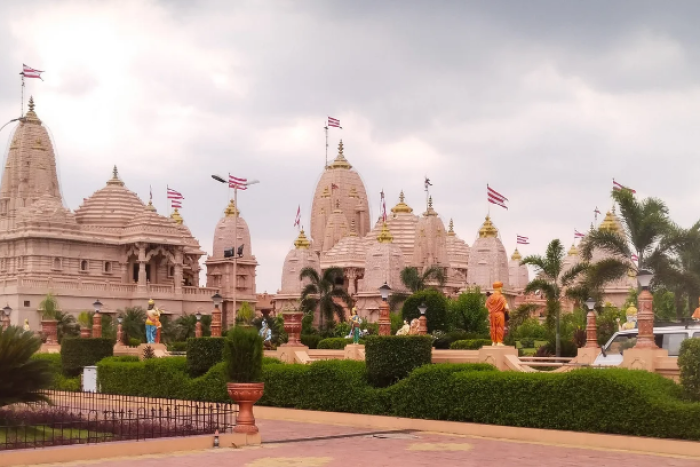
Ever since Ram Lalla was consecrated on 22 January 2024, the Ram Mandir in Ayodhya has become one of the most visited temples in India.
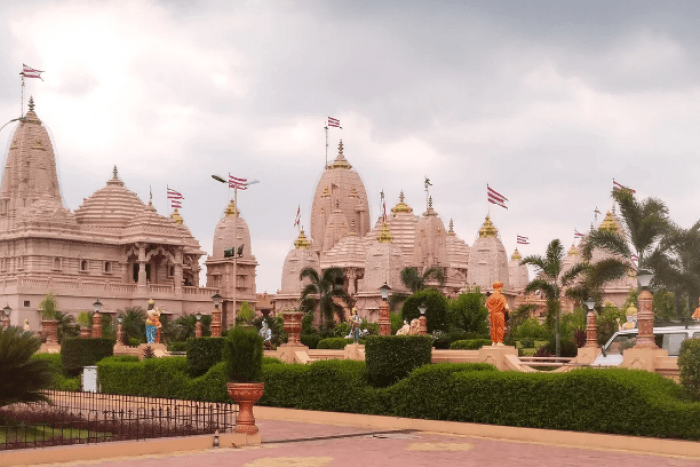
On normal days the temple trust reports about one to one and a half lakh devotees, and that number multiplies on festival days like Ram Navami and Diwali. With crowds like this, a little planning makes a big difference.
Many people search for "Ram Mandir VIP pass", "Ram Mandir darshan booking" or "Ram Mandir aarti booking" before they travel. There is a lot of confusing information online, and some of it is wrong. This guide explains what is actually available, how to book it, what the timings and rules are, and how long you should expect to wait. Temple rules can change at short notice, so please check the official portal before you leave.
Ram Mandir Darshan Booking: Do You Really Need a VIP Pass?
Let us start with the most common question. Is there a paid VIP pass for Ram Mandir darshan? No. The Shri Ram Janmbhoomi Teerth Kshetra Trust does not sell any paid VIP ticket. Anyone who offers you a "guaranteed VIP darshan" for money should be avoided. Do not buy passes from brokers or random links online.
What people call a "VIP pass" is usually Sugam Darshan. It is a free, pre-booked entry with a fixed time slot, and it gives you a separate and shorter queue. It is meant to spread the crowd across the day, not to give anyone special treatment. Here is how the two options compare:
- Samanya Darshan (general): Free. No booking needed. You join the regular walk-in queue. Waiting time changes with the day and season, and it can run to several hours on busy days.
- Sugam Darshan: Free. Booking is required on the official portal. You get a time slot and a separate queue, so the wait is shorter and easier to predict.
If you are visiting on a weekday outside the festival season, general darshan is a perfectly good option. If you are travelling with elderly parents or small children, or you are going on a weekend or a festival, Sugam Darshan is a much better choice.
You can also book a pass for the daily aarti. These passes are free as well, but the number of seats in each slot is limited. If you want to see an aarti, book early.
How to Book Sugam Darshan and Aarti Pass Online
Booking is simple, but slots fill up quickly. Slots usually open about 15 days before the date of your visit, and the popular ones can go within minutes. Here are the steps:
- Go to the official booking portal of the Shri Ram Janmbhoomi Teerth Kshetra Trust at online.srjbtkshetra.org.
- Log in with your mobile number and enter the OTP you receive.
- Choose what you want to book: Sugam Darshan or an aarti pass.
- Pick your date and time slot.
- Enter the details of every person in your group, including name, age, gender and ID number.
- Upload your ID if the portal asks for it.
- Download your pass. It comes as a QR code, so save it on your phone and keep a screenshot in case the network is weak.
What to carry: Bring a valid government photo ID, and it must match the ID you used while booking. Aadhaar, PAN card and passport are generally accepted. Foreign visitors should carry their passport. Children usually do not need their own ID, but keep them close to the registered adult during security checks. Senior citizens should carry their ID too, and they can ask for free wheelchair help inside the premises.
Keep a backup plan. If you cannot get a slot online, you can still join the general queue. Do not pay anyone who says they can book it for you at the last minute.
Ram Mandir Timings, Waiting Time and Entry Rules
Timings: The temple is generally open for darshan from around 6:30 am. There is a break of about two hours around noon, roughly 12 to 2 pm, when the Bhog offering is made to the deity. After that, darshan continues through the evening and into the night. The daily aartis include a morning Shringar Aarti, a Bhog Aarti around midday, a Sandhya Aarti in the evening and, according to some sources, a Shayan Aarti at night. Different sources list slightly different aarti timings, and they can change on festival days. So please confirm the exact schedule for your date on the official portal or helpline before you travel.
Waiting time: There is no fixed waiting time. It depends on the day.
- Weekdays (non-festival): Shortest waits, often under an hour with Sugam Darshan.
- Weekends: Longer waits, especially if you have not booked a slot.
- Festivals like Ram Navami and Deepotsav: Very long waits, since footfall can multiply several times.
- School holidays, especially winter: Higher crowds, mostly in the evening.
For the best chance of a quick darshan, go on a weekday and choose an early morning slot. October to March is the most comfortable season for weather, but it is also peak season, so book early. The months between July and September, outside the heaviest rain, are usually quieter.
Entry rules to remember:
- Dress modestly. Traditional clothes are best. Avoid shorts and sleeveless tops.
- Leave your phone behind. Mobile phones are generally not allowed inside the sanctum area. Leave yours at the cloakroom or in your vehicle.
- Travel light. Large bags, leather items and sharp objects are usually not allowed.
- No photos inside the temple. Photography is strictly prohibited inside the main premises, though it is usually fine in the outer areas.
- Expect security checks. There is frisking and baggage scanning at entry, so arrive with enough time.
- Help is available. Free wheelchairs are provided inside the premises for elderly and specially-abled devotees.
Plan Your Ayodhya Trip with Modern World Travel
Darshan is only one part of an Ayodhya visit. Once you are done at the temple, there is plenty more to see within a short distance:
- Hanuman Garhi: A well-known temple of Lord Hanuman, often visited before or after Ram Mandir.
- Kanak Bhawan: Known for its beautiful architecture and idols of Ram and Sita.
- Dashrath Mahal: Linked with the palace of King Dashrath.
- Ram Ki Paidi and Saryu Ghat: Peaceful riverside ghats, famous for the evening Saryu Aarti.
- Nageshwarnath Temple: One of the older temples in the city.
Getting there is easy. The Maharishi Valmiki International Airport is about 10 to 15 km from the temple, and Ayodhya Dham Junction is just 1 to 2 km away, with good train links to Varanasi, Lucknow and Delhi. Dedicated parking zones and shuttle services are available around the temple complex. If you are visiting around Ram Navami, Diwali or the winter holidays, book your stay and your Sugam Darshan slot well in advance.
At Modern World Travel, we help you plan the whole trip, so you can focus on the darshan itself. We take care of hotels, transport, local guides and an itinerary that fits around your darshan slot. You can browse our Ayodhya tour packages to get started. If you would like to combine Ayodhya with Varanasi, take a look at our Kashi – Ayodhya 3 Nights / 4 Days tour. For a longer pilgrimage, the Kashi – Prayagraj – Ayodhya Spiritual Tour covers all three holy cities. You can also explore our Ramayana Circuit and Aadhyatmik Circuit for more places linked with Lord Ram.
Starting from Varanasi? Read about the Ganga Aarti in Varanasi and plan your evening at the ghats before you head to Ayodhya. When you are ready, contact us and we will help you build a trip that fits your dates and your family.
FAQs
1. Is there a paid VIP pass for Ram Mandir darshan?
No. The temple trust does not sell any paid VIP ticket. What people call a VIP pass is Sugam Darshan, which is free and gives you a time slot and a shorter queue. Do not pay brokers or random websites for passes.
2. Do I need to book online for Ram Mandir darshan?
Not for general darshan, which is free and open to everyone through the walk-in queue. Online booking is needed only if you want Sugam Darshan or an aarti pass. Slots usually open about 15 days before your visit and fill up quickly, so book early for weekends and festivals.
3. How do I book Ram Mandir Sugam Darshan or aarti pass online?
Go to the official portal, online.srjbtkshetra.org, and log in with your mobile number and OTP. Choose Sugam Darshan or an aarti pass, select your date and slot, and enter the details of everyone in your group. Then download the QR pass and carry the same photo ID you used while booking.
4. What are the Ram Mandir darshan timings?
Darshan generally starts around 6:30 am, with a break of about two hours around noon for the Bhog offering. It then continues through the evening and into the night. Timings can change on festival days, so check the official portal before you travel.
5. How long is the waiting time for Ram Mandir darshan?
It depends on the day. On weekdays outside festivals, the wait is usually the shortest, often under an hour with Sugam Darshan. Weekends are busier, and on days like Ram Navami and Deepotsav the wait can be much longer. For a quicker visit, choose a weekday and an early morning slot.
6. Can I carry my phone or bag inside Ram Mandir?
Mobile phones are generally not allowed inside the sanctum area, so leave yours at the cloakroom or in your vehicle. Large bags, leather items and sharp objects are also usually restricted. Photography is not allowed inside the main temple, so travel light.
Related Itineraries
 3 Nights / 4 Days
<p>This yatra is dedicated to the devotees of Lord Rama, taking you to Ayodhya — his sacred birthplace — and pairing it with the holy confluence at Prayagraj for a pilgrimage that is both joyful and deeply significant. With the magnificent Ram Mandir now drawing millions of devotees, there has never been a more moving time to make this journey to the Ram Janmabhoomi.</p><p>Ayodhya is the spiritual centre of the trip. As the janmabhoomi — the birthplace — of Lord Rama, this ancient city on the banks of the Saryu River is experiencing a remarkable revival, and a visit here is a highlight of a lifetime for many devotees. You'll have darshan at the grand Ram Mandir, the great temple that now stands at the site, and visit other beloved shrines including Hanuman Garhi, perched above the city, and the exquisite Kanak Bhawan. In the evening, the aarti on the ghats of the Saryu — with lamps glowing on the water and devotional songs filling the air — is a serene and beautiful experience that stays with you long after.</p><p>The yatra also includes Prayagraj and its sacred Triveni Sangam, the meeting of the Ganga, the Yamuna and the mythical Saraswati. A boat ride to the confluence for a holy dip, prayers at the riverbank, and visits to revered sites such as the Akshayavat and the Bade Hanuman temple add a powerful spiritual dimension and connect the yatra to one of Hinduism's most hallowed cities — the ground of the great Kumbh Mela.</p><p>Linking the birthplace of Rama with the sacred Sangam makes for a pilgrimage that is rich in both devotion and meaning: the darshan at Ayodhya and the holy waters of Prayagraj complement each other beautifully. The two cities are connected by a comfortable road route, so the travel between them is easy, and the itinerary can be paced gently to suit families and elders.</p><p>This is a wonderful journey for Ram bhakts of every age — whether you are visiting the new temple for the first time, bringing elders who have longed to see Ayodhya, or introducing children to the story and spirit of Lord Rama. The emphasis can be adjusted to spend more time in Ayodhya or to linger longer at the Sangam, according to your wishes.</p><p>We arrange the complete pilgrimage for you — comfortable, well-located hotels, a clean AC vehicle with an experienced driver, help with timing your temple darshan to avoid the busiest hours where possible, and all transfers between the cities — so your focus stays on devotion. Share your preferred dates and group size with us, and we'll craft a Ram Janmabhoomi Yatra tailored to you and send across a personalised quote, so your visit to Rama's city is smooth, serene and truly special.</p>
 6 Nights / 7 Days
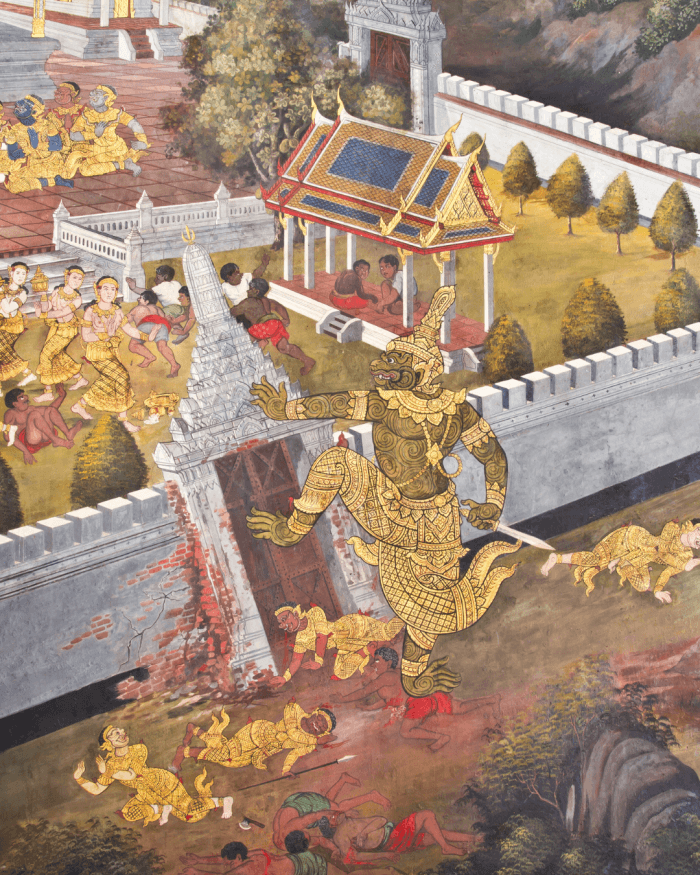
<p>This is the Ramayana journey in its fuller form — a heritage circuit linking four remarkable places tied to Lord Rama and the sacred Ganga plains: Ayodhya, Chitrakoot, Prayagraj and Varanasi. It blends the epic's key chapters with some of Hinduism's holiest cities, making for a rich, multi-layered pilgrimage through the heart of North India.</p><p>The journey begins where Rama's story begins, in Ayodhya, his birthplace. Here you'll have darshan at the grand Ram Mandir, visit Hanuman Garhi and Kanak Bhawan, and witness the lamp-lit evening aarti on the Saryu River. The city's devotional energy and ongoing revival make it a powerful and fitting start.</p><p>From Ayodhya the circuit travels to Chitrakoot, one of the most evocative sites in the entire Ramayana. It was here, in these forested hills along the Mandakini River, that Rama, Sita and Lakshman are believed to have spent much of their fourteen-year exile. Chitrakoot has a gentle, timeless atmosphere — you'll visit Ramghat on the river, the sacred hill of Kamadgiri with its parikrama path, and Hanuman Dhara on the hillside. After the grandeur of Ayodhya, Chitrakoot's quiet, natural spirituality is deeply affecting.</p><p>The route then reaches Prayagraj and its sacred Triveni Sangam, the confluence of the Ganga, Yamuna and mythical Saraswati. A boat ride to the meeting of the rivers for a holy dip, along with visits to the Akshayavat and the Bade Hanuman temple, connects the pilgrimage to one of the most venerated cities in the land and the site of the Kumbh Mela.</p><p>Finally comes Varanasi (Kashi), the eternal city of Lord Shiva, where the journey finds a magnificent conclusion. A sunrise boat ride along the ghats, darshan at the Kashi Vishwanath Temple, the evening Ganga Aarti and a visit to Sarnath round out the circuit with the unmatched spiritual atmosphere of Kashi.</p><p>Together, these four places offer the richest possible version of a Ramayana pilgrimage — the birthplace, the forest of exile, the holy confluence and the eternal city, woven into one well-planned route. It's ideal for devotees who want depth as well as darshan, and who have a little more time to travel the story properly. The cities are linked by good roads, and the pace can be arranged to suit families and elders.</p><p>We take care of the entire journey — comfortable, well-located hotels at each stop, a clean AC vehicle with an experienced driver for the whole circuit, help with temple timings and river rituals, and all transfers — so you can give your full attention to the devotion and the heritage. Share your dates, group size and preferred duration, and we'll tailor this Ramayana Heritage Circuit to you and send across a personalised quote for a seamless, soul-enriching pilgrimage.</p>